

You want a top digital marketing agency that moves the needle on visibility, leads, and revenue—quickly and predictably. The best agencies combine measurable strategies (SEO, PPC, social, content, and analytics) with industry fit and proven results so you avoid costly trial-and-error.
This guide Digital Marketing Agency shows how agencies deliver those core services, how to judge performance beyond flashy case studies, and which selection criteria matter for your budget and goals.
You’ll learn practical signals of quality—what capabilities to prioritize, which metrics to demand, and how to align an agency’s strengths with your market—so you can pick a partner that scales your business.
Core Services Provided
These services focus on increasing qualified traffic, converting visitors into leads, and measuring ROI with clear metrics. Each service combines strategy, technical execution, and ongoing optimization tailored to your goals.
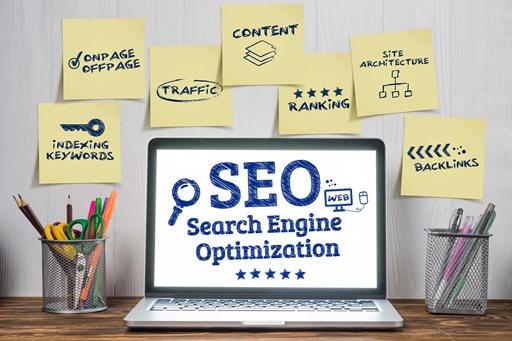
Search Engine Optimization Strategies
You get a technical audit that identifies crawlability, indexation, and site speed issues affecting rankings. The agency will fix robots.txt, XML sitemaps, canonical tags, and structured data to ensure search engines interpret your site correctly.
Content optimization targets high-value pages first. Expect keyword mapping, on-page title and meta updates, internal linking improvements, and content briefs for pages that need new or expanded copy to capture intent-driven queries.
Local and enterprise needs differ; the agency configures Google Business Profile, local citations, and location pages for multi-location brands. They also set up rank tracking, backlink analysis, and periodic content refresh cycles to defend and grow keyword positions.
Pay-Per-Click Campaign Management
You receive a campaign structure aligned to funnel stages (awareness, consideration, conversion) with specific KPIs for each stage. The agency builds tightly themed ad groups, relevant landing pages, and conversion actions (forms, calls, purchases) to maximize quality score and reduce cost-per-acquisition.
Targeting uses a mix of keyword match types, audience signals, remarketing lists, and demographic/geographic bid adjustments. They run A/B tests on headlines, descriptions, and extensions, and employ automated bidding strategies when data volume justifies it.
Reporting includes daily spend pacing, weekly performance highlights, and conversion-value attribution. You should expect ongoing negative keyword management, bid and budget optimizations, and creative refreshes to sustain performance over time.
Social Media Advertising Solutions
Campaigns start with audience research to define lookalikes, interest clusters, and behavioral segments that match your buyer personas. The agency creates platform-specific creatives—short videos for Reels/TikTok, carousel product ads for Facebook/Instagram, and responsive creatives for LinkedIn—to maximize engagement.
Ad setups map to objectives: traffic, lead gen, catalog sales, or app installs, with appropriate conversion tracking and UTM tagging. They test creative, copy, placements, and CTA variations while scaling winners through budget reallocation and campaign duplication.
Measurement covers CPM, CTR, conversion rate, and ROAS, plus creative-level diagnostics to identify ad fatigue. Expect a cadence of creative production, audience refreshes, and platform-specific optimizations to keep costs stable as you scale.
Criteria for Selecting Leading Firms
Focus on measurable capabilities, proven outcomes, and clear communication. Prioritize firms that match your vertical, can show results with similar budgets, and provide transparent access to data.
Experience and Industry Reputation
You want an agency with documented experience in your industry and a visible reputation among peers and clients. Look for years of relevant work, leadership contributions (speaking, published case studies), and third-party recognition such as industry rankings or awards. Those signals reduce risk and show the firm understands market cycles, regulatory constraints, and buying behaviors specific to your sector.
Check leadership bios for domain experts (e.g., product-focused CMOs, engineers for technical SEO). Verify claims on LinkedIn and client reviews. Ask for references from companies with similar size, geographic footprint, and revenue bands to confirm the agency’s track record.
Client Portfolio and Success Stories
Examine the client list for breadth and depth: recurring clients, long-term engagements, and work with brands that resemble yours in scale and goals. Prioritize case studies that include baseline metrics, campaign objectives, tactics used, and quantifiable outcomes (traffic lift, conversion rate improvement, cost-per-lead reductions).
Request before-and-after data and the exact tools used to measure results (e.g., GA4, CRM attribution, proprietary dashboards). Confirm whether results were achieved via one-off campaigns or sustained strategy. Ask which KPIs were agreed up front and how the agency adjusted tactics when those KPIs lagged.
Transparency in Reporting
You need real-time access to performance data and a clear reporting cadence. Insist on dashboards you can log into, documented attribution models, and an agreed set of KPIs tied to business outcomes. Reporting should show raw numbers, methodology, and confidence intervals when applicable.
Clarify ownership of analytics and data collection (who controls tags, conversion tracking, and audience lists). Demand regular governance reviews that cover budget pacing, channel performance, and optimization actions taken. Transparent agencies provide audit-ready exports and keep change logs for experiments and tracking updates.